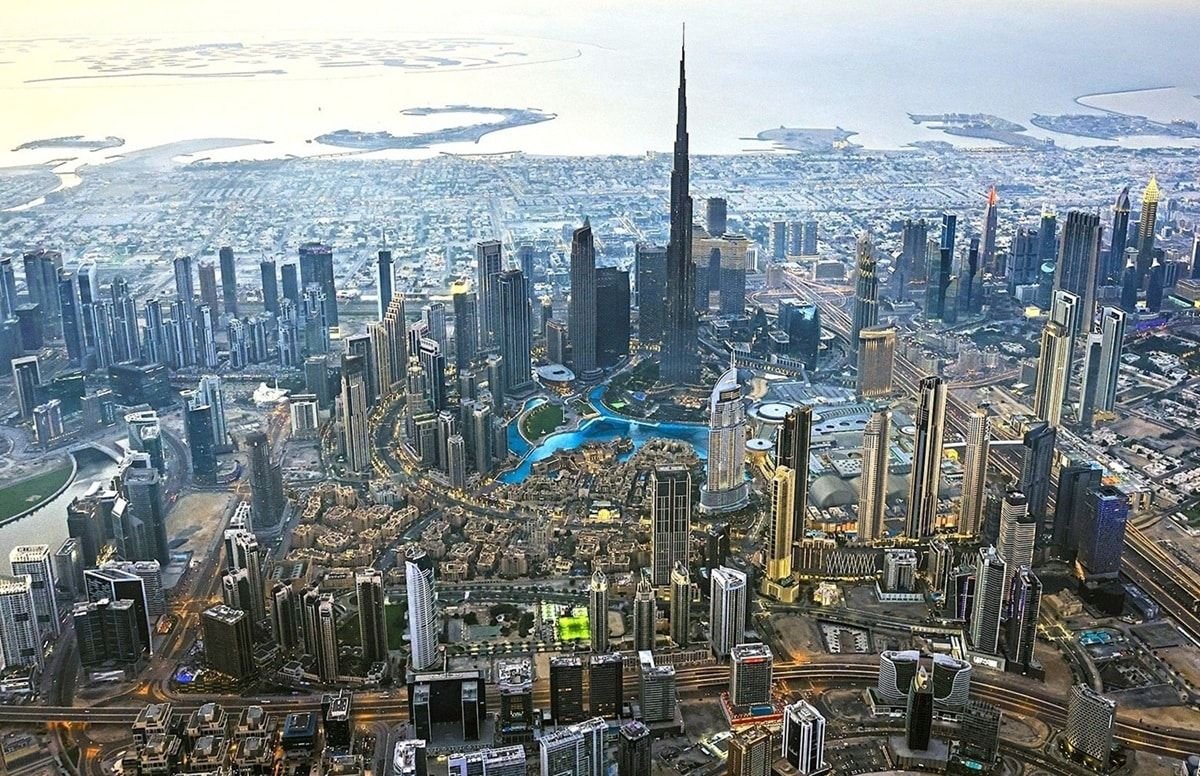
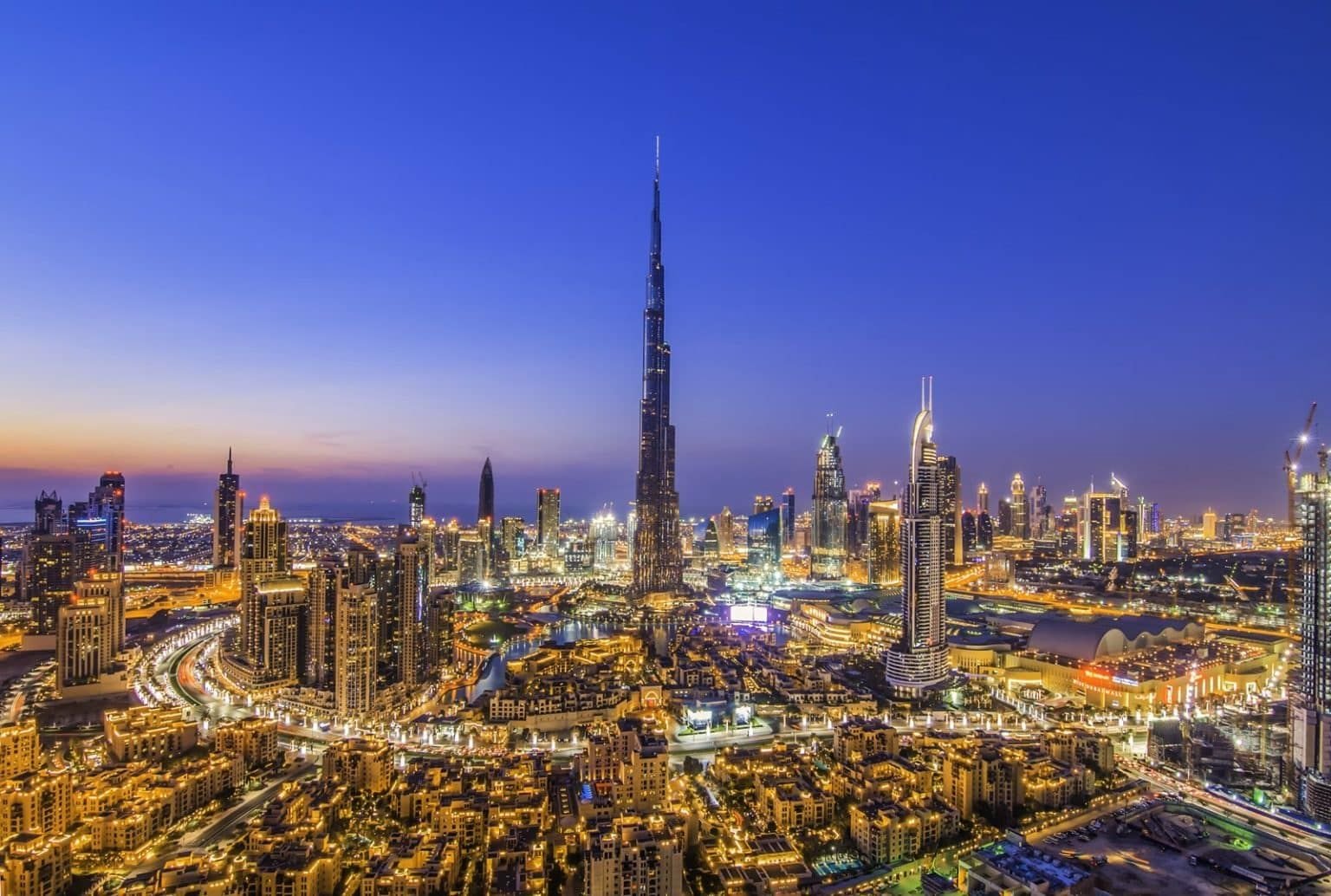
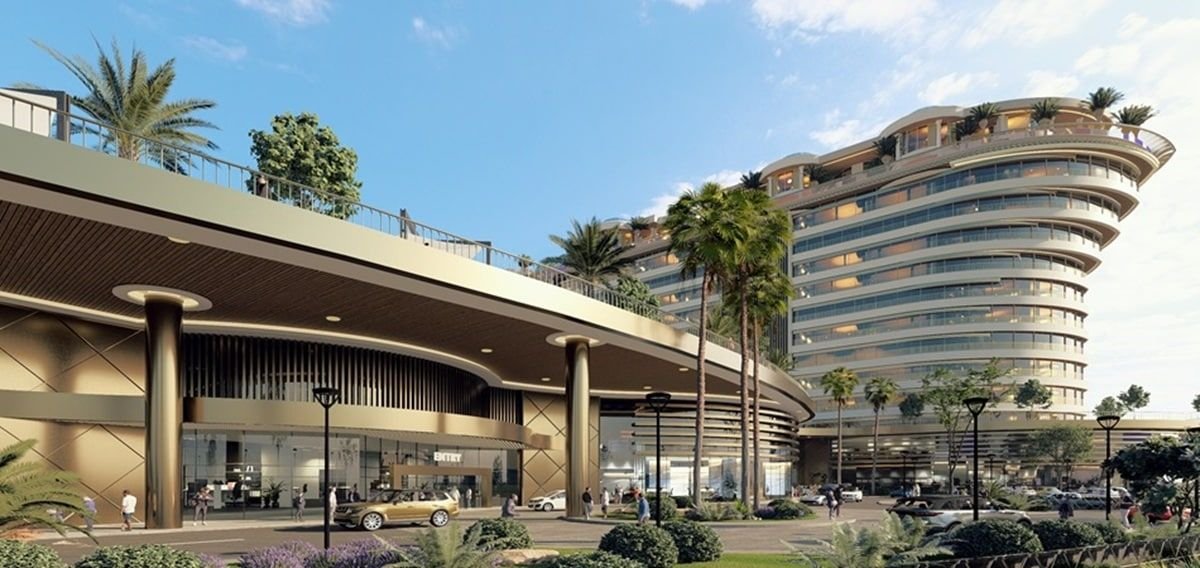
Dubai remains the world’s largest branded residence market, with 175 projects, 68 of which are live and 107 are in the pipeline. This puts the city at more than twice the scale of second-placed Miami, with 73 schemes, and almost six times London, with 30.
According to Knight Frank’s newly released The Residence Report 2026/27, the UAE’s growth story is increasingly extending beyond Dubai. Abu Dhabi ranks eighth globally with 24 live and pipeline schemes, while Al Marjan Island in Ras Al Khaimah ranks ninth with 23.
Together, the UAE accounts for 19 percent of the global branded residence development pipeline.
Middle East claims 25 percent of global branded residence pipeline
The report also reveals that the Middle East has emerged as the leading growth engine for the global branded residence market, with the region now representing a quarter of the global development pipeline.
The region accounts for 20 percent of all live and pipeline branded residence projects globally and 25 percent of those in the development pipeline, as new destinations, brands and increasingly sophisticated residential concepts expand the market beyond its established centers.
“The sheer growth in choice across the Middle East is changing the conversation around branded residences. Buyers are increasingly looking beyond the name on the building and asking more searching questions about the quality of the home, the location, the service proposition and ultimately how well it fits the way they want to live,” said Louis Harding, Partner – Head of Residential, UAE at Knight Frank.
“That is an important evolution for the market. Brand remains powerful, but as the sector becomes more competitive, a name alone won’t be enough. The developments that stand out will be those where the brand genuinely enhances an already compelling real estate proposition,” he added.
The regional expansion comes against a backdrop of rapid global growth. Knight Frank’s Global Branded Residence Survey 2026 verified nearly 1,800 live and identified pipeline schemes from more than 200 brands across 90 countries.
The market counted 903 schemes at the end of 2025 and is expected to reach approximately 1,088 by the end of 2026. Based on the identified pipeline, the market is projected to approach 1,800 schemes and more than 300,000 units by 2031.
Share of non-hotel brands grows
The next wave of UAE growth is also taking different forms. Abu Dhabi has 24 branded residence schemes, including 19 in the pipeline, while all 23 schemes identified on Al Marjan Island are yet to be delivered. Non-hotel brands already account for 42 percent of schemes in Dubai, 38 percent in Abu Dhabi and 52 percent on Al Marjan Island.
In Abu Dhabi, residential growth is taking place alongside the emirate’s emergence as a global wealth and financial hub. During summer 2026, Modon sold 1,700 homes at Hudayriyat Golf Estates within days, generating approximately AED13 billion ($3.5 billion) in sales, with non-UAE residents accounting for around 15 percent of buyers. Employment within Abu Dhabi Global Market, meanwhile, increased by 51 percent to 44,339 during 2025.
Ras Al Khaimah’s growth is being supported by a different set of drivers, including tourism and improving international connectivity. International flight volumes into the emirate increased by 44 percent between 2023 and 2026 – the strongest growth recorded among the world’s ten largest branded residence markets. Abu Dhabi recorded a 37 percent increase over the same period.
“There is no single Middle East branded residence buyer, and increasingly there shouldn’t be a single formula for the product either. Dubai, Abu Dhabi, Ras Al Khaimah and Jeddah are attracting different audiences for different reasons, whether that’s primary residence, investment, lifestyle or a second home,” said Clare Moukabaa, Partner – Residential Consultancy, Knight Frank MENA.
“As the pipeline grows, understanding those differences becomes critical. The strongest developments will be those that start with the buyer and the location, then determine what the brand, design and service proposition can genuinely add – rather than simply applying a global formula to a local market,” she added.
Read: Abu Dhabi rises eight places to 33rd as world’s leading real estate transparency improver
Wellness becomes increasingly embedded in residential design
The growth in locations is being matched by a widening range of brands. Hotel operators account for around 70 percent of operational branded residence schemes globally, but their share falls to 60 percent once pipeline developments are included.
As fashion, automotive and lifestyle brands enter the sector, non-hotel brands are expected to represent almost 40 percent of supply by 2028, up from around 30 percent in 2025.
Buyer expectations are also evolving alongside the market. Wellness, for example, is moving beyond the traditional amenity offer and becoming increasingly embedded in residential design and services. At Six Senses The Palm in Dubai, due to open in late 2026, a 60,000 sqft wellness club will include a longevity clinic, IV lounge and biohacking room, while Four Seasons is developing a dedicated longevity center at its Abu Dhabi residences on Saadiyat Beach.
Growth is also extending across the wider region. In Jeddah, Four Seasons is set to deliver a hotel and 64 branded residences at The Corniche, while Raffles Jeddah will include 120 branded homes. The Trump Organization, Mandarin Oriental and One&Only also have projects in the pipeline.